Cooperativism: the key to starting a business and creating your own job that no one talks about
Authors
Categories
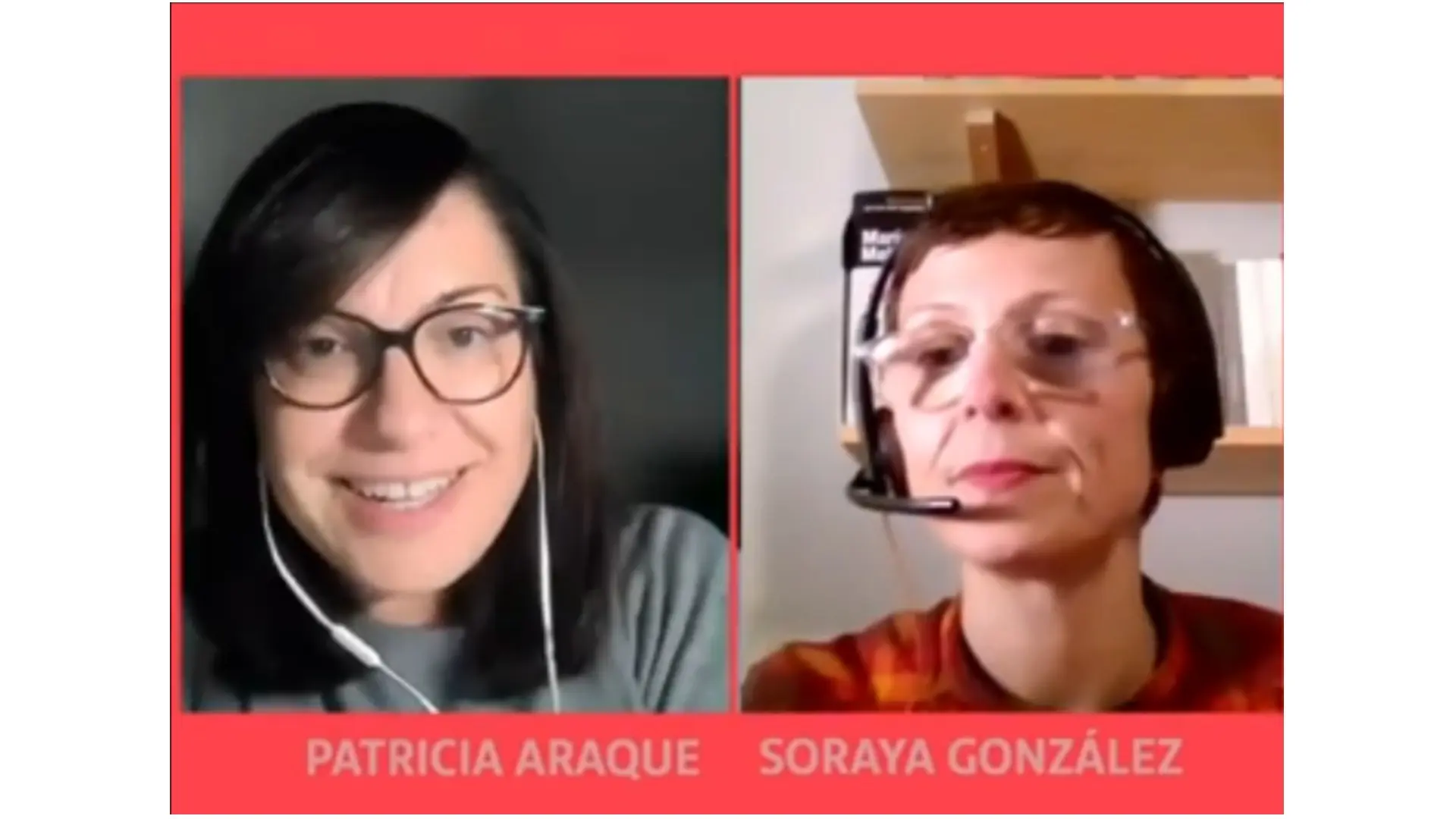
There is a dominant narrative about entrepreneurship based on the idea of a hero who lives to work… and that narrative, in reality, presents as aspirational a model that only applies to a minority. The one we champion at Santander X Explorer, however,** applies to the vast majority of people who start a business**, even if no one tells you about it. It will make you happier, allow you to build a job that fits your life, and bring you a series of advantages that are rarely mentioned. Soraya González, co-founder of Pandora Mirabilia, director of the documentary Tuentifourseven, producer and co-author of audiobooks, journalist… and a remarkable guest at our TalkX sessions, dares to tell us about it.
“My friends from university and I decided to bet for self-employment, as we didn’t like what companies were offering. The cooperative model best suited our ideals,” she explained.
This model may sound more connected to the agricultural sector, as pointed out by Patricia Araque, Executive Director of Santander X Explorer, who spoke with Soraya for an hour. But when it comes to entrepreneurship, it offers the same benefits:
The means of production belong to those who work there and, subsequently, to the members.
Resources are distributed equitably.
Decisions are made democratically.
“We wanted to break away from the boss–employee model and create one in which we were all sovereign. Where no one ‘gave orders’ and we didn’t have to ‘order’ anyone around. We wanted to tell other stories that had nothing to do with sexist collectives,” added the co-founder of Pandora Mirabilia. That’s why they opted for a social initiative cooperative, where profits are reinvested in the organisation itself, and services are provided for a social purpose.
The everyday life of cooperative entrepreneurship
This structure is quite different from the ones you’ve heard about so far, isn’t it? Exactly: you’re creating your own job, so you get to set most of the rules. Soraya listed some of the main changes this brings to your daily working life:
You don’t have bosses telling you what to do and how to do it. On the other hand, “you’re always steering the ship, and that can be exhausting,” our guest admitted. But that’s where the second benefit comes in.
Being part of a team allows you to take breaks. If one person takes the lead for a while,** it’s possible to delegate.**
Decisions are made collectively, so responsibility is shared.
At Pandora Mirabilia, the governance system includes monthly assemblies between members and employees, where they not only review projects and workloads but also discuss personal lives to see if anyone needs support. “They’re important because** we can take the team’s pulse and make adjustments**,” Soraya added.
“In our annual strategic plenaries, we evaluate our projects from both an economic perspective — to measure profitability — and a wellbeing one: how they made us feel, whether we built meaningful connections, or learned something new. We also review unpaid tasks such as participation in networks, meetings at our shared space, or care during decision-making processes… and identify where we can improve,” she said.
“Caring for the team and for each of us is central: we don’t just want a salary; we want workplace wellbeing, professional growth, work–life balance and activism. It’s about changing the focus — adapting work to our private lives, not the other way round.” Soraya González, Pandora Mirabilia.
Starting something with your friends is possible (and desirable)
This strong sense of community dismantles the toxic literature that claims starting a business with friends is a mistake, noted the Executive Director of Santander X Explorer. “You already know each other, you know how everyone works, and there’s trust — that’s vital, because nothing you do is being watched or controlled,” Soraya confirmed.
This is where the concept of intercooperation comes in.
“We were born intercooperating: there were already people doing similar things, and they welcomed and advised us. Now we do the same for other cooperatives. When we come together, it makes us stronger, allows us to offer new services through synergies and, above all, makes us feel part of a community that supports one another in vulnerable times. The key advantage is that you share, not compete,” she added.
The other resources you gain from crowdfunding
When we think of crowdfunding, the conventional narrative makes us picture money, but this funding method goes far beyond that. Soraya used it to bring her documentary Tuentifourseven to life.
“I wanted a professional finish that I couldn’t achieve on my own. The crowdfunding campaign I launched not only gave me the money I needed, but also structure and a completion date — otherwise, you never stop working.” “It also worked as a promotion and opened doors to other communication projects,” she explained.
Communication, according to Soraya, is one of the “winning” levers when preparing a campaign. These are her three top tips for successful crowdfunding:
Target the** right people.** Choose those genuinely** interested** in your project and launch a pre-campaign for them. That ensures you meet your minimum funding goal. Be clear** not only about how much they’ll contribute, but also when,** so you can maintain steady progress.
Design a strong communication plan. Craft your message carefully and go beyond social media. Write press releases, contact the media, and identify the communities you want to reach and their preferred channels. For the audiobooks, for example, “we used the WhatsApp groups that all parents have at schools,” she said.
Keep your backers involved. Transparency must be total. “Take care of them — they’ll likely want to keep supporting you in future projects,” Soraya advised.
Cooperativism, cooperation, community. Sound familiar? It’s what we stand for at Santander X Explorer. Realities like those built by Soraya and her partners, and by so many others overlooked by traditional entrepreneurship, show that another way is possible.
Related